
I’ll be honest with you. Most of what I know about building lead systems came from making mistakes and watching what actually works instead of what is supposed to work.
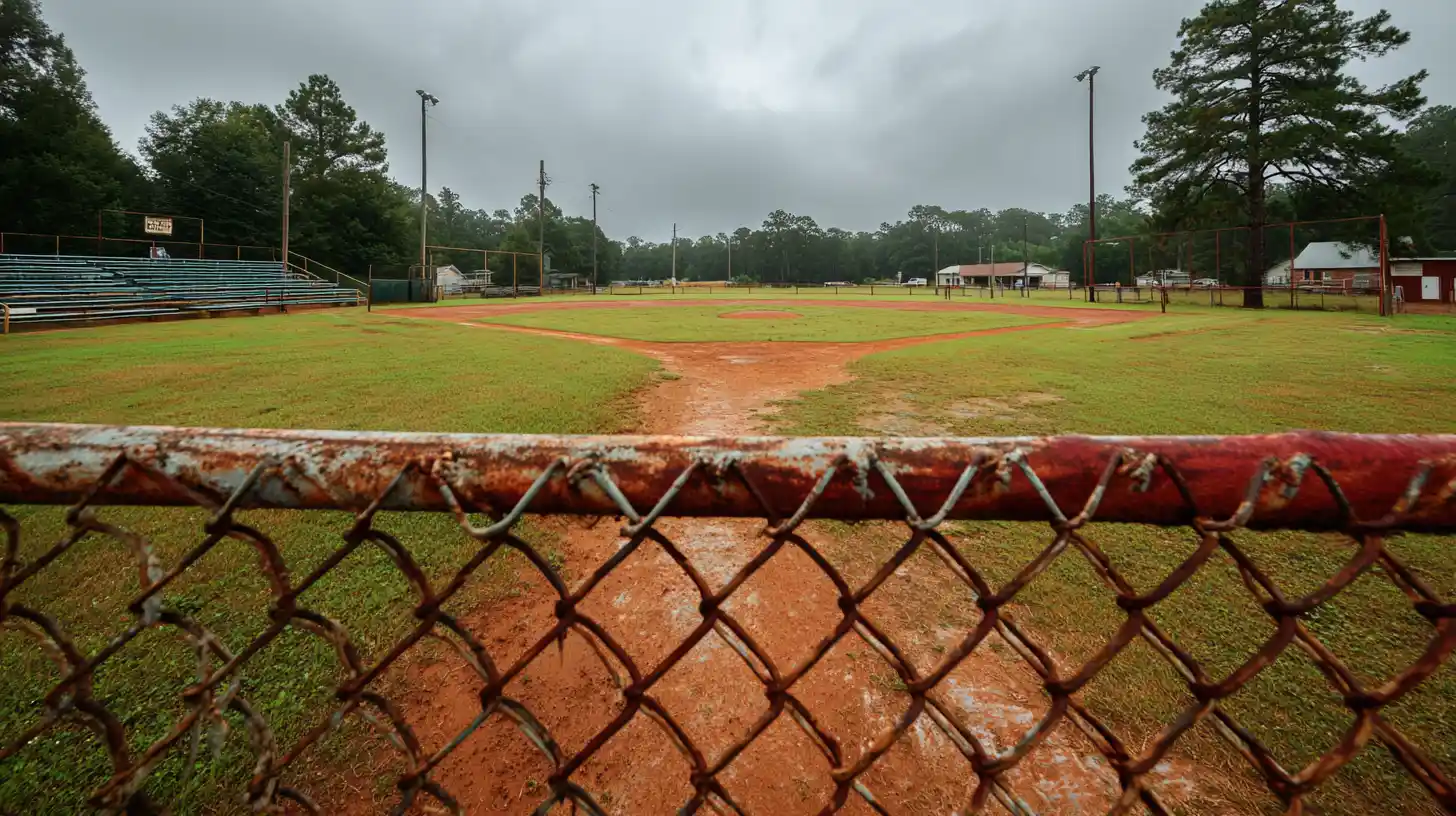
This month one of my local sites generated a lead worth around $16,000. A fence and backstop replacement project. The homeowner filled out a contact form, I got the notification, and I routed it to a local contractor. Site visit scheduled, project moving forward. The site that generated this lead does not have fancy animations or a huge marketing budget. It just ranks for the right searches and makes it easy for people to reach out when they need help.
That is what I am going to walk you through in this post. Not theory, but the actual components that make a lead system work consistently for service businesses.
What I Mean by a Lead System
When I say lead system, I am talking about something that brings in calls and form fills without you manually hunting for work every week. It is not about going viral on social media or hoping your last customer tells their neighbor about you. Those things are great, but they are unpredictable.
A working lead system has three parts. First, you show up when people search for what you do. Second, your message matches what they are looking for so they actually contact you. Third, you can track where leads come from so you know what is working and what is wasting your time.
Most contractors I talk to have problems in all three areas. Their website mentions services they stopped offering two years ago. Their business name and address show up differently on Google than they do on their site. They have no idea if their last three customers found them through Google, Facebook, or a yard sign. At Digital Meshworks, we fix these gaps by aligning what your site says with what you actually do and where you actually operate.
The $16k Fence Lead and What Made It Work
The fence site I mentioned earlier does not have a Google Business Profile yet. I need a local address to set one up properly, and until I have that, the site ranks on its own through basic technical SEO and targeted content. No paid ads. No lead buying platforms. Just a site that shows up for specific searches like “backstop replacement” or “fence repair” in the right geographic area.
Three things make this work. First, every page targets searches that indicate someone is ready to hire, not just browsing. Second, the site does not confuse Google about where it operates or what services it offers. Everything is clean and consistent. Third, I track every form fill and can see which pages convert and which do not. When you can measure that, you stop guessing about what works.
This is the same approach we use when we optimize Google Business Profiles for contractors. Whether you have a GBP or not, the fundamentals are the same. Clear services, consistent location information, and content that matches real customer searches.
The Mistake That Was Killing My Rankings
This week I found something on one of my own sites that made me realize how easy it is to hurt your visibility without knowing it. Buried on a service page was old template text from a completely different city and service. I thought I deleted it weeks ago. Turns out I did not.
Here is why that matters. If your website says you serve Dallas on one page, mentions Austin on another, and your contact page lists Houston, Google does not know where to rank you. When Google gets confused about your location or what you actually do, it just does not show you for local searches. Your competitor with clean, matching information shows up in search results. You do not.

The fix is simple but requires attention to detail. Go through every page on your site. Remove leftover text from old websites or services you do not offer anymore. Delete city names that do not match where you actually work. Make sure your main pages say the same thing about your service area. This kind of message alignment is basic technical SEO, but it has a big impact on whether local customers find you when they search. We cover this in more detail in our local business SEO services work.
Four Parts That Make a Lead System Actually Work
I use something we call the SOAR framework at Digital Meshworks. It stands for Systems, Optimization, Attention, and Response. These four components work together to create consistent pipeline instead of feast or famine revenue.
Systems
Systems means you know where your leads come from and what they are worth. Most contractors cannot tell me if they should spend money on Google ads, Facebook, or directory listings because they do not track lead sources. When you add simple call tracking or form attribution, you stop wasting money on channels that do not produce revenue. You can see that your Google traffic converts at a higher rate than social media, or that certain service pages generate better quality inquiries than others.
Optimization
Optimization means your site converts the traffic you get into actual calls or form fills. A slow loading website with no clear way to contact you converts poorly even if people find it. Proper optimization includes fast page speeds, mobile responsive design, visible contact buttons, and service pages that match what customers search for. When I rebuilt the fence site, load time was under two seconds and the contact form is above the fold on every service page. That matters for conversion.

Attention
Attention means showing up when local customers search for what you do. This requires technical SEO work like proper heading structure, with one H1 tag per page and H2 or H3 tags that organize your content, alt text on images, and consistent business information everywhere your name appears online. The ranking problem I mentioned earlier falls into this category. Mixed signals about your location or services weaken your attention in local search.
Response
Response means following up fast and managing your reputation. Leads go cold within hours. Contractors who respond in 15 minutes close more jobs than competitors who wait until the next day. Review management matters too. When you respond to reviews consistently, potential customers see you care about service quality. This builds trust before they ever contact you.

How This Applies to Your Actual Business
Let me give you a practical example. Say you are an HVAC contractor in Tyler. Your website loads slowly on mobile phones. Your homepage mentions serving East Texas but individual service pages list specific cities you have not worked in for years. Your Google Business Profile says you do residential and commercial work, but your website only shows residential examples. You have no idea which marketing channels bring you customers.
Here is what fixing that looks like. We audit your site and find the technical problems causing slow load times. We remove the outdated city references and make sure every page matches your actual service area. We align your GBP services with what your website says you do. We set up basic call tracking so you can see which pages or marketing channels produce leads. Within 60 to 90 days, you start seeing regular inquiries from local searches instead of relying on referrals and hoping your phone rings.
The fence site example shows this in action. No GBP yet, but the site is technically sound, geographically focused, and optimized for the right searches. Result: a $16,000 lead this month and consistent smaller inquiries every week.
What Tracking Actually Reveals
When you track leads properly, you learn things that change how you allocate your marketing budget. Maybe you are spending $500 a month on Facebook ads that generate lots of clicks but zero calls. Meanwhile, your website ranks on page two for a high value search term, and the five people who find that page every month convert at a high rate.
With that data, you stop wasting money on Facebook and focus on improving your rankings for the search terms that actually produce revenue. This is exactly what we help contractors do at Digital Meshworks. We look at where traffic comes from, which pages convert, and what those conversions are worth in real dollars.
For the fence site, I can see that the backstop page converts at a much higher rate than the general fence repair page. That tells me where to focus content improvements and which searches matter most for high value leads.
Why Geographic Consistency Matters More Than You Think
One technical detail that trips up almost every contractor I audit is geographic consistency. Your homepage says you serve three counties. Your service pages mention five different cities. Your Google Business Profile service area includes two counties you have not worked in for years. Every page gives Google mixed signals about where you operate.
The solution is auditing every page on your website and making sure your listed service areas match everywhere. If you serve Smith and Gregg counties, say that consistently on every page. Do not mention another county unless you actually work there regularly. This seems basic, but it is one of the biggest ranking problems I see. When Digital Meshworks rebuilds a contractor site, this alignment work is part of the foundation that makes everything else function properly.
What Happens When the System Works
When your lead system works, you get predictable pipeline instead of wondering where your next job is coming from. Calls and form fills come in regularly from local searches. You know which services generate the most inquiries and which areas produce the highest value projects. Your marketing budget goes to things that produce measurable results instead of guesses about what might work.
The fence site operates quietly in the background. It ranks for specific local searches, produces opportunities I can track, and generates leads that are not being sold to four other contractors at the same time. The homeowner searched, found a solution, and submitted their project details. That is the system working.
Ready to Build Your Own System
If you are a service contractor who wants consistent lead pipeline without buying recycled inquiries from big box platforms, Digital Meshworks can help. We build local sites and optimize profiles that quietly collect calls and form fills, tracked properly so you see what they are worth in real dollars.
Right now we are looking for one more fence or outdoor projects contractor who wants this kind of system built over the next 60 days. If you are worried hidden website problems might be hurting your visibility, request a free website audit and we will point out the biggest problems affecting your local rankings.